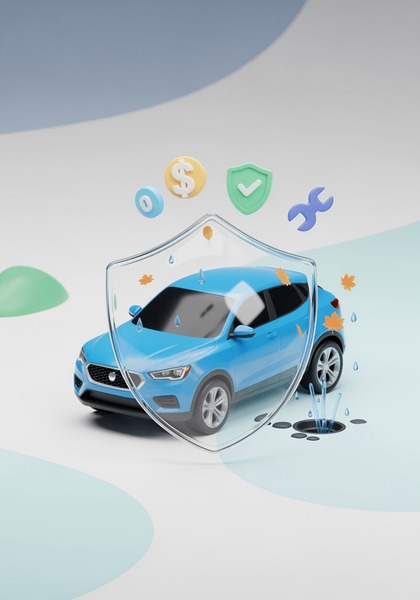
Car insurance is a fundamental financial and legal safeguard for vehicle owners. Among the different types of auto insurance coverage available, comprehensive car insurance is one of the most misunderstood yet valuable policies. This guide explains what comprehensive car insurance is, how it works, what it covers, what it excludes, who needs it, and how it compares with other types of auto insurance coverage—especially in the United States.
Understanding Comprehensive Car Insurance
Comprehensive car insurance is an optional auto insurance coverage that pays for damage to your vehicle caused by non-collision events. Unlike liability insurance, which covers damage to other people or their property, comprehensive coverage protects your own vehicle from risks outside of traffic accidents.
These risks typically include theft, vandalism, fire, natural disasters, falling objects, and animal-related damage. Comprehensive insurance is often bundled with collision insurance as part of a full coverage auto insurance policy, though it can be purchased separately in some cases.

How Comprehensive Car Insurance Works
Comprehensive insurance operates on a claim-and-deductible model. When a covered event damages your car:
- You file a claim with your insurance provider.
- The insurer verifies the cause of loss.
- You pay your selected deductible.
- The insurer covers the remaining repair or replacement cost, up to the vehicle’s actual cash value (ACV).
For example, if a tree falls on your parked car during a storm and the repair cost is $4,000 with a $500 deductible, your insurer pays $3,500.
What Comprehensive Car Insurance Covers
Comprehensive insurance protects against a wide range of non-collision risks. Covered events generally include:
Vehicle Theft
If your car is stolen and not recovered, comprehensive insurance reimburses you for its value at the time of theft.
Vandalism
Intentional damage such as broken windows, key scratches, or spray paint is covered.
Fire and Explosion
Damage caused by engine fires, arson, or explosions is included under comprehensive coverage.
Natural Disasters
This includes damage from hurricanes, floods, tornadoes, earthquakes, hailstorms, and lightning.
Falling Objects
Objects such as tree branches, construction debris, or signage damaging your vehicle are covered.
Animal Damage
Collisions with animals such as deer, cows, or wildlife fall under comprehensive coverage—not collision insurance.
Glass Damage
Windshield and window damage from debris or weather is commonly covered, sometimes with a separate glass deductible.
What Comprehensive Car Insurance Does Not Cover
While comprehensive coverage is broad, it is not unlimited. Common exclusions include:
- Damage caused by collisions with other vehicles or objects
- Mechanical breakdowns or wear and tear
- Damage due to poor maintenance
- Personal belongings stolen from inside the car
- Medical expenses for injuries
- Damage caused while using the car for commercial purposes (unless insured)
Understanding these exclusions is critical for selecting appropriate additional coverages.
Comprehensive vs Collision Insurance
Many drivers confuse comprehensive insurance with collision insurance, but they serve different purposes.
| Feature | Comprehensive Insurance | Collision Insurance |
|---|---|---|
| Covers non-collision events | Yes | No |
| Covers accidents with vehicles or objects | No | Yes |
| Covers theft | Yes | No |
| Covers natural disasters | Yes | No |
| Required by law | No | No |
| Required by lenders | Often | Often |
For full vehicle protection, lenders typically require both comprehensive and collision insurance on financed or leased vehicles.
Is Comprehensive Car Insurance Required?
Comprehensive car insurance is not legally required in any U.S. state. However, it is often contractually required by:
- Auto loan providers
- Leasing companies
If you finance or lease your car, the lender wants to protect their financial interest in the vehicle, making comprehensive coverage mandatory until the loan is paid off.
Who Should Buy Comprehensive Car Insurance?
Comprehensive insurance is especially beneficial for:
- Owners of new or high-value vehicles
- Drivers living in areas prone to natural disasters
- Residents of high-theft neighborhoods
- Owners of financed or leased vehicles
- Drivers who park outdoors regularly
- People seeking full coverage protection
For older vehicles with low market value, comprehensive insurance may not be cost-effective.
How Much Does Comprehensive Car Insurance Cost?
The cost of comprehensive coverage depends on multiple factors, including:
- Vehicle make, model, and year
- Geographic location
- Crime and weather risk in your area
- Chosen deductible amount
- Insurance provider
- Driver history
In the United States, comprehensive insurance typically costs less than collision insurance, with average annual premiums ranging from $120 to $200, depending on risk factors.
Choosing the Right Deductible
A deductible is the amount you pay before insurance coverage applies. Common deductible options include:
- $250
- $500
- $1,000
A higher deductible lowers your premium but increases out-of-pocket costs during a claim. Drivers with strong emergency savings may benefit from higher deductibles.
Comprehensive Insurance and Actual Cash Value (ACV)
Insurance companies pay claims based on actual cash value, not replacement cost. ACV accounts for depreciation due to age, mileage, and condition.
This means:
- Older vehicles receive lower payouts
- Market value matters more than original purchase price
Understanding ACV is essential when evaluating whether comprehensive coverage is financially worthwhile.
Does Comprehensive Insurance Cover Rental Cars?
Comprehensive coverage may extend to rental cars, depending on your policy terms. However, coverage limits vary, and some policies exclude rentals altogether.
Drivers should:
- Review their policy documents
- Confirm coverage with the insurer
- Compare with rental agency insurance options
Comprehensive Insurance for Financed and Leased Cars
Lenders often require:
- Comprehensive coverage
- Collision coverage
- Gap insurance (in some cases)
Failure to maintain coverage may result in force-placed insurance, which is significantly more expensive.
Comprehensive Insurance and Glass Coverage
Many insurers offer:
- Zero-deductible glass repair
- Separate windshield coverage
This is particularly useful in regions where road debris or weather damage is common.
When You Should Drop Comprehensive Coverage
You may consider removing comprehensive insurance when:
- Your car’s value is lower than annual premiums
- You can afford to replace the vehicle out-of-pocket
- The deductible exceeds potential payout
A general rule: if annual premium + deductible exceeds 10% of the vehicle’s value, reconsider coverage.
How to Buy Comprehensive Car Insurance
Follow these steps:
- Evaluate your vehicle’s current market value
- Assess environmental and theft risks
- Compare insurance providers
- Choose a suitable deductible
- Bundle policies for discounts
- Review exclusions carefully
Online insurance comparison tools can help identify competitive rates.
Comprehensive Insurance in the United States: Legal Context
While state laws mandate minimum liability insurance, comprehensive coverage remains optional. However, it plays a critical role in protecting personal assets and reducing financial exposure.
States with higher natural disaster frequency or theft rates see higher adoption of comprehensive insurance among drivers.
Key Differences Between Liability, Collision, and Comprehensive Insurance
- Liability insurance protects others
- Collision insurance protects your car in accidents
- Comprehensive insurance protects your car from non-accident risks
Each serves a distinct function within a complete auto insurance strategy.
Final Thoughts: Is Comprehensive Car Insurance Worth It?
Comprehensive car insurance provides broad protection against unpredictable and uncontrollable events. While not legally required, it is often financially prudent—especially for newer, financed, or high-value vehicles.
For drivers seeking peace of mind and asset protection, comprehensive coverage remains a cornerstone of a well-structured auto insurance policy.