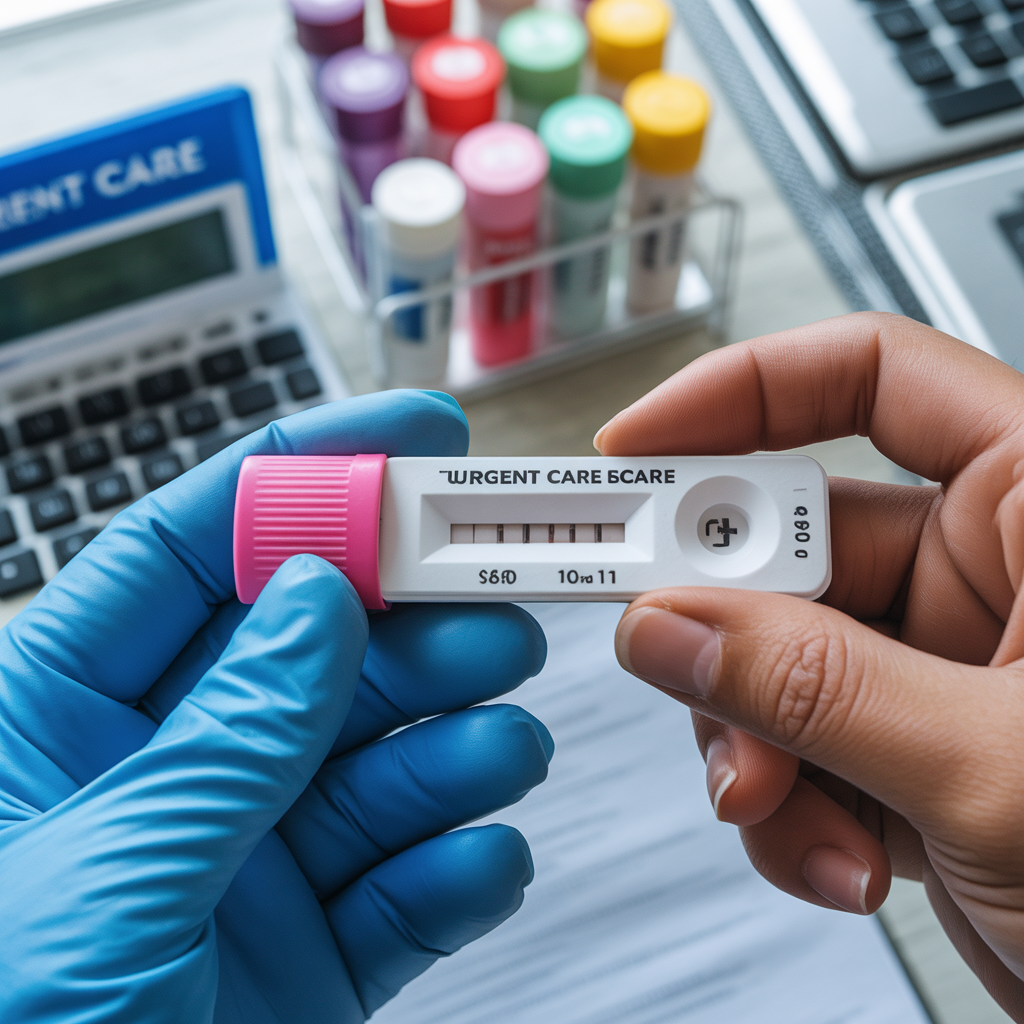

Introduction: The Urgent Need for Affordable STD Testing
Sexually transmitted diseases (STDs) remain a significant public health concern in the United States, with millions of new infections reported each year. According to the Centers for Disease Control and Prevention (CDC), there were approximately 2.5 million reported cases of chlamydia, gonorrhea, and syphilis in 2022 alone. Despite these staggering numbers, many individuals avoid getting tested due to concerns about cost, particularly those without health insurance coverage.
This comprehensive guide will explore everything you need to know about STD testing costs at urgent care facilities without insurance, including detailed price breakdowns, factors affecting costs, affordable alternatives, and why regular testing is crucial for your sexual health. Whether you’re experiencing symptoms or simply want peace of mind, understanding your options can help you make informed decisions about your healthcare.
Understanding STD Testing: What Does It Involve?
Before diving into costs, it’s essential to understand what STD testing entails. STD testing isn’t a single test but rather a series of specific tests for different infections. The most common STDs tested for include:
- Chlamydia and Gonorrhea: Usually tested together via urine sample or swab
- HIV: Blood test or oral swab
- Syphilis: Blood test
- Herpes (HSV): Blood test or swab of active sore
- Hepatitis B and C: Blood test
- Trichomoniasis: Urine sample or swab
- HPV: Pap smear for women (detects cell changes caused by HPV)
The specific tests you need depend on various factors including your sexual history, symptoms, and potential exposures. Many urgent care centers offer comprehensive STD panels that test for multiple infections at once, which can be more cost-effective than individual tests.
How Much Does STD Testing Cost at Urgent Care Without Insurance?
The cost of STD testing at urgent care facilities without insurance varies significantly based on location, the specific tests required, and the facility itself. Here’s a detailed breakdown:
Average Cost Range
Without insurance, STD testing at urgent care centers typically ranges from:
- Basic testing (chlamydia and gonorrhea): $150 – $250
- Standard panel (HIV, syphilis, chlamydia, gonorrhea): $250 – $450
- Comprehensive panel (including herpes, hepatitis, etc.): $350 – $650
- Individual tests: $50 – $200 each
These costs typically include the office visit fee, laboratory fees, and the cost of specimen collection. Some facilities offer flat-rate pricing for STD panels, while others charge separately for each component.
Breakdown of Costs at Major Urgent Care Chains
Let’s examine specific costs at popular urgent care chains across the United States:
1. CareNow Urgent Care
- Office visit without insurance: $150 – $200
- STD testing panel (basic): Additional $200 – $300
- Total estimate: $350 – $500
2. MedExpress Urgent Care
- Base visit fee: $149 – $199
- Chlamydia/gonorrhea test: $99 – $149
- HIV test: $79 – $129
- Syphilis test: $69 – $119
- Total for standard panel: $400 – $600
3. Concentra Urgent Care
- Evaluation fee: $125 – $175
- Basic STD panel: $200 – $350
- Total estimate: $325 – $525
4. Local Independent Urgent Care Centers
- Often more variable pricing
- Office visit: $100 – $200
- Testing fees: $150 – $400
- Total range: $250 – $600
It’s important to note that these are estimates, and actual costs may vary based on your location and specific health needs. Always call ahead to inquire about pricing before visiting.
Factors That Influence STD Testing Costs at Urgent Care
Several factors can affect how much you’ll pay for STD testing without insurance:
1. Geographic Location
Costs tend to be higher in urban areas and coastal cities compared to rural locations. For example, STD testing in New York City or San Francisco may cost 20-40% more than in smaller Midwestern cities.
2. Type of Tests Required
As mentioned earlier, comprehensive testing costs more than basic screening. Additionally, some tests use more expensive technologies. For instance, nucleic acid amplification tests (NAATs) for chlamydia and gonorrhea are more accurate but also more costly than older testing methods.
3. Symptoms vs. Asymptomatic Screening
If you’re experiencing symptoms, the visit may be coded differently (symptomatic visit rather than preventive screening), which could affect the cost. Symptomatic visits sometimes justify more comprehensive testing, increasing the overall price.
4. Laboratory Processing
Some urgent care centers have in-house labs, while others send specimens to external laboratories. External lab processing typically adds to the cost and may result in separate bills from the lab company.
5. Additional Services
If your visit includes additional services like a physical examination, counseling, or treatment for positive results, these will increase the total cost.
Why Is STD Testing So Expensive Without Insurance?
Understanding why STD testing carries significant costs can help contextualize the pricing:
Laboratory Technology and Materials
Modern STD testing employs sophisticated technology that requires expensive equipment, reagents, and trained technicians. For example, fourth-generation HIV tests that detect both antigens and antibodies cost more to process than rapid tests.
Healthcare Overhead
Urgent care facilities have substantial overhead costs including rent, utilities, medical equipment, malpractice insurance, and staff salaries (doctors, nurses, lab technicians, and administrative personnel).
Regulatory Compliance
Medical facilities must adhere to strict regulations regarding testing procedures, patient privacy (HIPAA compliance), and laboratory standards, all of which contribute to operational costs.
Profit Margin
Like any business, urgent care centers need to maintain a profit margin to stay operational, especially independent facilities without large healthcare system backing.
Affordable Alternatives to Urgent Care for STD Testing
If urgent care costs are prohibitive, consider these more affordable alternatives:
1. Public Health Departments
County and city health departments often offer low-cost or free STD testing based on income. The CDC’s National STD Hotline (1-800-232-4636) can help you locate nearby public health clinics.
Typical Cost: $0 – $50 for comprehensive testing
2. Planned Parenthood
Planned Parenthood health centers provide sliding scale fees based on income, making STD testing affordable for most individuals.
Typical Cost: $0 – $150 for comprehensive testing
3. Community Health Centers
Federally Qualified Health Centers (FQHCs) offer services on a sliding fee scale regardless of insurance status.
Typical Cost: $20 – $100 based on income
4. At-Home Testing Kits
Companies like Everlywell, LetsGetChecked, and STDcheck.com offer at-home testing kits that you can order online. You collect the sample at home and mail it to a lab.
Typical Cost: $99 – $349 for comprehensive panels
5. Free Testing Events
Many communities host free STD testing events, particularly during STD Awareness Month (April) or on National HIV Testing Day (June 27).
Cost: Free
6. University or College Health Centers
If you’re a student, your campus health center typically offers STD testing at reduced rates or included in student health fees.
Typical Cost: $0 – $50 for students
Comparing Costs: Urgent Care vs. Other Options
To help visualize the cost differences, here’s a comparison table:
| Testing Option | Basic Panel Cost | Comprehensive Panel Cost | Wait Time | Privacy Level |
|---|---|---|---|---|
| Urgent Care (no insurance) | $150-$250 | $350-$650 | Same day | High |
| Public Health Department | $0-$50 | $0-$100 | 1-2 weeks | Medium-High |
| Planned Parenthood | $0-$100 | $0-$150 | 1-7 days | High |
| At-Home Test Kit | $99-$199 | $199-$349 | 2-7 days for results | Highest |
| Primary Care Physician | $200-$400+ | $400-$800+ | Varies | High |
| Emergency Room | $500-$1,000+ | $1,000-$2,500+ | Several hours | Medium |
How to Reduce STD Testing Costs at Urgent Care
If you choose to use urgent care for STD testing, these strategies can help minimize costs:
1. Ask About Self-Pay Discounts
Many urgent care centers offer discounts for patients paying out-of-pocket. Discounts typically range from 10% to 40% off standard rates.
2. Request Itemized Pricing
Ask for a detailed breakdown of costs before testing. This transparency can help you identify unnecessary tests and negotiate specific charges.
3. Opt for Targeted Testing
Instead of a comprehensive panel, discuss your specific risk factors with the healthcare provider to determine which tests are most necessary. For example, if you’ve only had oral sex, certain tests might be less relevant.
4. Inquire About Payment Plans
Some facilities offer payment plans that allow you to pay your bill over time without interest.
5. Check for Coupons or Promotions
Some urgent care centers run promotions for STD testing, particularly around awareness days or months. Check their website or call to inquire.
6. Use Telemedicine First
Consider a telemedicine consultation first to determine exactly which tests you need, potentially avoiding unnecessary costs.
What to Expect During Your Urgent Care Visit for STD Testing
Understanding the process can help alleviate anxiety and ensure you’re prepared:
1. Check-In and Paperwork
You’ll complete standard patient forms, including a medical history questionnaire. Be honest about your sexual history to ensure appropriate testing.
2. Consultation with Healthcare Provider
A doctor, physician assistant, or nurse practitioner will discuss your concerns, risk factors, and symptoms. This conversation determines which tests are recommended.
3. Sample Collection
Depending on the tests ordered, this may include:
- Blood draw (for HIV, syphilis, hepatitis)
- Urine sample (for chlamydia, gonorrhea)
- Swabs (oral, genital, or rectal)
- Physical examination if symptoms are present
4. Payment
Payment is typically required at the time of service for self-pay patients.
5. Results and Follow-Up
Results timing varies:
- Rapid HIV tests: 20-30 minutes
- Other tests: 2-7 days
- Positive results typically prompt a follow-up call with treatment recommendations
The Importance of Regular STD Testing: Beyond the Cost
While cost is a significant consideration, regular STD testing is crucial for several reasons:
1. Many STDs Are Asymptomatic
Chlamydia, gonorrhea, and HIV can exist without symptoms for extended periods, allowing for unknowing transmission and potential complications.
2. Early Detection Prevents Complications
Untreated STDs can lead to serious health issues including pelvic inflammatory disease, infertility, certain cancers, and increased HIV transmission risk.
3. You Protect Your Partners
Knowing your status allows you to make informed decisions about sexual activity and prevent transmitting infections to others.
4. Peace of Mind
Regular testing provides reassurance about your sexual health, reducing anxiety about potential infections.
5. Prompt Treatment
Early detection means earlier treatment, which is typically more effective and prevents long-term damage.
Recommended Testing Frequency Based on Risk Factors
The CDC provides testing guidelines based on risk factors:
- Sexually active women under 25: Annual chlamydia and gonorrhea testing
- Women 25+ with risk factors (new partner, multiple partners): Annual chlamydia and gonorrhea testing
- All sexually active gay, bisexual, and other men who have sex with men: Every 3-6 months for syphilis, chlamydia, gonorrhea, and HIV
- Pregnant women: Early pregnancy testing for syphilis, HIV, hepatitis B, and chlamydia
- People with HIV: Annual testing for other STDs
- Anyone with symptoms or known exposure: Immediate testing
Insurance Considerations and Future Planning
Understanding Insurance Coverage for STD Testing
If you obtain insurance in the future, it’s helpful to know that under the Affordable Care Act, most insurance plans must cover recommended preventive services, including STD testing, at no cost to you when performed by an in-network provider. However, this applies primarily to asymptomatic screening; testing due to symptoms may involve copays or deductibles.
Short-Term Health Insurance Options
If you’re between insurance plans, short-term health insurance or catastrophic plans might provide coverage for unexpected medical needs, though they often have limitations on preventive care.
Health Savings Accounts (HSAs) and Flexible Spending Accounts (FSAs)
If you have access to these accounts, STD testing is typically an eligible expense, allowing you to pay with pre-tax dollars.
Legal and Privacy Considerations
Confidentiality
STD testing is confidential under HIPAA laws. Results are protected health information that cannot be shared without your consent, with few exceptions.
Minor Consent Laws
Most states allow minors to consent to STD testing and treatment without parental permission. Age requirements vary by state.
Partner Notification
If you test positive, healthcare providers may discuss partner notification options, including anonymous notification services in some jurisdictions.
Special Considerations for Specific Populations
LGBTQ+ Community
Some urgent care centers specialize in LGBTQ+ healthcare and may offer more tailored services and potentially more sensitive care.
Adolescents and Young Adults
Young people may prefer discrete testing options. Some urgent care centers near college campuses are particularly experienced with this demographic.
Non-English Speakers
Larger urgent care chains often have translation services available, though it’s worth calling ahead to confirm.
The Future of STD Testing: Trends and Innovations
As healthcare evolves, several trends may affect STD testing accessibility and cost:
1. Telemedicine Integration
Many urgent care centers now offer virtual consultations, which could reduce costs by determining testing needs before an in-person visit.
2. Point-of-Care Testing Advances
New technologies allow for more comprehensive testing with faster results at the point of care, potentially reducing costs over time.
3. Home Testing Expansion
As home testing becomes more accepted, insurance may begin covering these options, increasing accessibility.
4. Price Transparency Regulations
New regulations requiring healthcare providers to disclose prices upfront may increase competition and lower costs.
Conclusion: Making Informed Decisions About Your Sexual Health
The cost of STD testing at urgent care without insurance typically ranges from $150 to $650, depending on the tests required and your location. While this can be financially burdensome, regular testing remains a crucial component of sexual health maintenance and disease prevention.
If urgent care costs are prohibitive, consider more affordable alternatives like public health departments, Planned Parenthood, community health centers, or at-home testing kits. Remember that many facilities offer sliding scale fees or discounts for self-pay patients, so don’t hesitate to ask about cost-saving options.
Ultimately, the cost of testing pales in comparison to the potential physical, emotional, and financial consequences of untreated STDs. By understanding your options and making informed decisions, you can take control of your sexual health while managing healthcare expenses.
Prioritize your well-being—explore the resources available in your community, ask questions about pricing, and take the step to get tested. Your health is worth the investment, and with the information provided in this guide, you’re now equipped to navigate STD testing options knowledgeably and confidently.