
Car insurance is mandatory in most places, but overpaying for car insurance is not. Millions of drivers pay more than they should simply because they don’t understand how car insurance pricing works or how to reduce it legally and safely.
The good news?
Getting cheap car insurance doesn’t mean sacrificing coverage — it means making smarter choices.
This guide explains exactly how to lower your car insurance costs, step by step, whether you’re a new driver, a family, or someone trying to cut monthly expenses.
What “Cheap Car Insurance” Really Means
Cheap car insurance does not mean:
- Minimum coverage only
- Risky or unreliable insurers
- No protection after an accident
Cheap car insurance means:
- Paying the lowest possible price for the coverage you actually need
- Avoiding unnecessary add-ons
- Aligning your policy with your real risk profile
How Car Insurance Prices Are Calculated (Important to Understand)
Before you can lower your premium, you need to understand what affects it.
Insurance companies calculate your rate based on:
- Driving history
- Age and experience
- Location
- Vehicle type
- Coverage limits
- Deductible amount
- Credit score (in many states)
- Claims history
- Annual mileage
👉 You can’t control all of these — but you can control many.
Step 1: Compare Multiple Car Insurance Quotes (Non-Negotiable)
The #1 rule to get cheap car insurance is simple:
Never buy the first quote you see.
Insurance companies price risk differently. The same driver can receive wildly different quotes for identical coverage.
What to do:
- Get quotes from at least 3–5 insurers
- Compare apples to apples (same coverage & deductibles)
- Include:
- Large national insurers
- Regional insurers
- Direct-to-consumer companies
💡 Many cheaper insurers don’t spend heavily on advertising — but offer excellent rates.
Step 2: Choose the Right Coverage (Not the Maximum)
Many drivers overpay because they buy more coverage than they need.
Required Coverage (Varies by State)
- Liability insurance is mandatory
- Minimum limits are set by law
⚠️ Minimum coverage is often not enough for real-world accidents.
Optional Coverage That Affects Cost
- Collision
- Comprehensive
- Rental reimbursement
- Roadside assistance
Removing unnecessary options can significantly lower premiums.
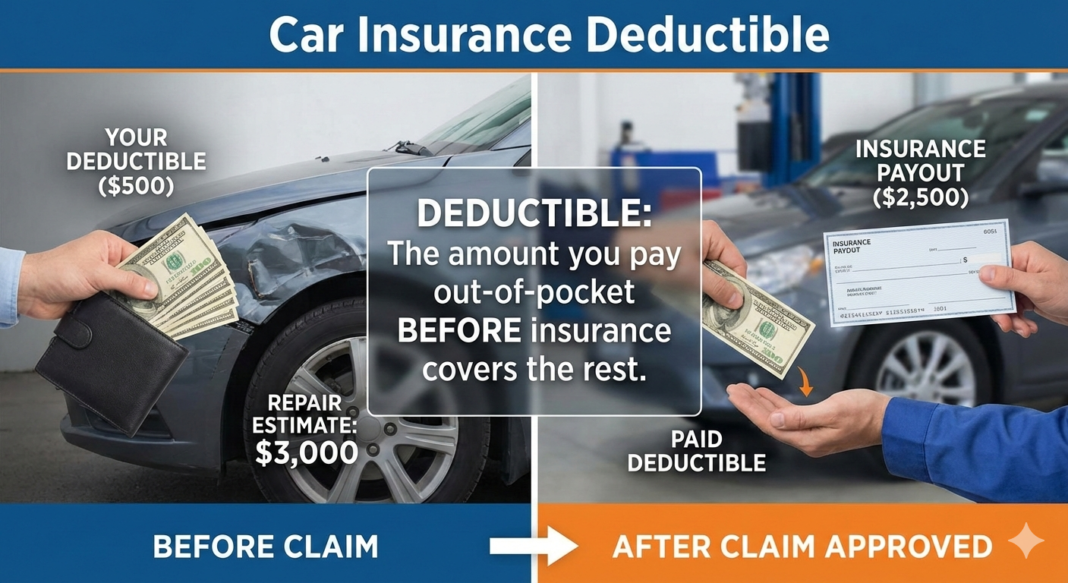
Step 3: Increase Your Deductible (Safely)
Your deductible is one of the fastest ways to lower insurance costs.
How it works:
- Higher deductible = lower premium
- Lower deductible = higher premium
Example:
| Deductible | Monthly Premium |
|---|---|
| $250 | $165 |
| $500 | $140 |
| $1,000 | $110 |
📌 Choose a deductible you can actually afford in an emergency.
Step 4: Drop Coverage on Older or Low-Value Cars
If your car is older, full coverage may not be worth it.
Ask yourself:
- Is my car worth less than 10x my deductible?
- Would insurance payout be minimal after a claim?
If yes:
- Consider dropping collision
- Keep liability coverage
This alone can save hundreds per year.
Step 5: Maintain a Clean Driving Record
Your driving behavior has the largest long-term impact on rates.
Avoid:
- Speeding tickets
- At-fault accidents
- DUI or reckless driving
Why it matters:
- A single accident can raise premiums for 3–5 years
- Safe drivers qualify for the biggest discounts
Step 6: Take Advantage of Discounts (Most People Miss These)
Insurance companies offer dozens of discounts, but they don’t always apply them automatically.
Common Discounts:
- Safe driver
- Multi-policy (bundle home + auto)
- Multi-vehicle
- Low mileage
- Good student
- Defensive driving course
- Automatic payments
- Paperless billing
👉 Always ask your insurer for a discount review.
Step 7: Bundle Insurance Policies
Bundling is one of the easiest ways to get cheap car insurance.
Common bundles:
- Auto + home
- Auto + renters
- Auto + motorcycle
Savings can range from 10% to 25%.
Step 8: Improve Your Credit Score (Where Applicable)
In many states, insurers use credit-based insurance scores.
Better credit often means:
- Lower premiums
- More insurer options
Improving credit can lower insurance costs without changing coverage.
Step 9: Drive Less (Yes, It Matters)
Annual mileage directly affects risk.
If you:
- Work remotely
- Drive occasionally
- Use public transport
Ask for:
- Low-mileage discounts
- Usage-based insurance programs
Step 10: Choose the Right Car (Before You Buy)
The type of car you drive heavily impacts insurance cost.
Cheaper to insure:
- Sedans
- Family vehicles
- Cars with safety features
More expensive to insure:
- Sports cars
- Luxury brands
- High-performance vehicles
Always check insurance costs before buying a car.
Step 11: Use Usage-Based or Telematics Programs (Optional)
Some insurers offer apps or devices that track:
- Speed
- Braking
- Driving habits
- Time of day
Safe drivers can save 10–40%.
⚠️ Not ideal for aggressive or high-mileage drivers.
Step 12: Review Your Policy Every Year
Loyalty does not guarantee lower rates.
Review annually:
- Coverage limits
- Deductibles
- Discounts
- New competitors
Many drivers save money simply by re-shopping.
Step 13: Avoid Small Claims
Frequent claims increase premiums.
If repair costs ≈ deductible:
- Pay out of pocket
- Avoid filing a claim
This protects your long-term rates.
Step 14: Consider Pay-Per-Mile Insurance
If you drive very little:
- Pay-per-mile insurance may be cheaper
- Premium based on miles driven
Best for:
- Retirees
- Remote workers
- City dwellers
Step 15: Choose a Reputable Insurer (Cheap ≠ Bad)
Cheap insurance should still offer:
- Financial stability
- Good claims handling
- Reliable customer service
Check:
- Customer reviews
- Claims satisfaction scores
- Financial ratings
Cheap Car Insurance for Specific Drivers
New Drivers
- Add to parent policy if possible
- Choose safe vehicles
- Take driver education courses
Young Drivers
- Good student discounts
- Telematics programs
- Higher deductibles
Families
- Multi-car discounts
- Bundling opportunities
- Policy reviews after life changes
Seniors
- Defensive driving discounts
- Low mileage savings
- Simplified coverage
Common Myths About Cheap Car Insurance
❌ “Minimum coverage is always cheapest”
✔ Not after an accident.
❌ “Loyalty lowers rates”
✔ Often the opposite.
❌ “Cheap insurers are unreliable”
✔ Many smaller insurers offer excellent service.
How Much Can You Actually Save?
Drivers who optimize their policy can save:
- $300–$1,000 per year
- Even more with bundling and clean records
The savings compound year after year.
Quick Checklist: How to Get Cheap Car Insurance
☐ Compare 3–5 quotes
☐ Increase deductible
☐ Remove unnecessary coverage
☐ Bundle policies
☐ Apply all discounts
☐ Improve credit score
☐ Maintain clean driving record
☐ Review policy annually
Final Thoughts: Cheap Car Insurance Is About Strategy
Getting cheap car insurance is not about luck — it’s about understanding how insurers think and aligning your policy accordingly.
The cheapest policy is the one that:
- Matches your real risk
- Fits your budget
- Protects you financially
Smart drivers don’t chase low prices — they build efficient coverage.